
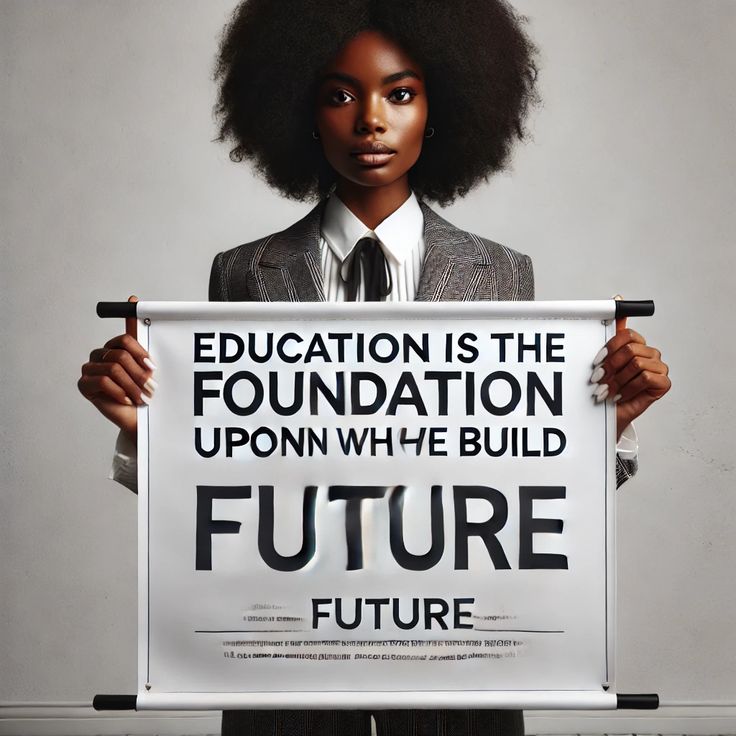
Education is one of the most important tools for personal development and social progress. It gives young people the knowledge, skills, confidence, and opportunities they need to build better futures. For students, education is not only about passing examinations or receiving certificates. It is also about developing the ability to think critically, solve problems, communicate effectively, and make informed decisions.
In many communities, however, access to quality education remains a challenge. Some students have the ability and determination to continue their education but face financial difficulties that make it difficult to pay for tuition, books, transportation, accommodation, technology, and other educational expenses. This is one reason scholarships and other forms of financial aid are important.
Scholarships can help students continue their education and reduce some of the financial barriers that prevent them from reaching their academic goals. However, the importance of education goes far beyond financial assistance. Education can influence an individual’s career, family, community, and wider society.
What Is Education?
Education is the process through which people gain knowledge, skills, values, and understanding. It can take place in schools, universities, training centers, communities, workplaces, and through independent learning.
Formal education usually includes:
- Primary education
- Secondary education
- Undergraduate education
- Postgraduate education
- Vocational and technical education
Informal education also plays an important role. People can learn through books, online courses, practical experiences, mentorship, community activities, and everyday life.
The purpose of education is not simply to memorize information. Good education should help students understand ideas and apply what they learn to real-life situations.
Education and Personal Development
Education can contribute significantly to personal development.
Students who receive quality education have opportunities to develop skills such as:
- Communication
- Critical thinking
- Problem-solving
- Research
- Teamwork
- Time management
- Creativity
- Leadership
These skills can be useful both inside and outside the classroom.
For example, a student who learns how to conduct research may become better at evaluating information before making decisions. A student who participates in group projects can learn how to communicate and cooperate with others.
Education can therefore influence many areas of a person’s life.
Education and Career Opportunities
One of the major reasons students pursue higher education is to prepare for future careers.
Many professions require specialized education and training. Doctors, engineers, teachers, lawyers, scientists, accountants, architects, and other professionals usually need specific qualifications before entering their chosen careers.
Higher education can provide students with:
- Specialized knowledge
- Professional qualifications
- Practical skills
- Research experience
- Networking opportunities
- Career guidance
However, education does not guarantee a particular job. Career outcomes can depend on many factors, including a person’s skills, experience, economic conditions, available opportunities, and professional development.
Education is best viewed as one important part of preparing for a career.
The Connection Between Education and Scholarships
The cost of education can be a major concern for students and families.
Depending on the institution and location, students may need to pay for:
- Tuition
- Accommodation
- Textbooks
- Transportation
- School supplies
- Internet access
- Computers
- Examination fees
- Living expenses
Scholarships can help reduce some of these costs.
A scholarship is financial support provided to a student for educational purposes. Some scholarships cover a small portion of expenses, while others may cover tuition and additional costs.
Scholarship eligibility varies by program. Some scholarships are based on academic achievement, while others may consider financial need, leadership, community service, sports, artistic ability, field of study, nationality, or other requirements.
Education Can Reduce Barriers to Opportunity
Not every student begins their educational journey with the same financial resources.
A talented student may have strong academic potential but struggle to afford university fees. Financial assistance can help reduce some of these barriers.
Scholarships can give students the opportunity to continue their education without placing the entire financial burden on their families.
This can be particularly important for students who want to pursue programs that require significant financial investment.
Education and Critical Thinking
Critical thinking is another important benefit of education.
Students encounter large amounts of information every day. They need to know how to distinguish reliable information from misleading or inaccurate information.
Education can teach students to:
- Ask questions
- Examine evidence
- Compare different ideas
- Identify assumptions
- Evaluate sources
- Reach reasoned conclusions
These skills are useful in academic settings and everyday life.
A student who develops critical thinking skills may become better prepared to evaluate information about careers, finances, technology, health, and other important subjects.
Education and Technology
Technology has changed the way students learn.
Students can now access:
- Online courses
- Digital libraries
- Educational videos
- Virtual classrooms
- Online research databases
- Educational applications
- Digital collaboration tools
Technology can make educational resources more accessible, but access is not equal everywhere.
Some students may not have reliable internet connections, computers, smartphones, or electricity.
This creates a digital divide that can affect educational opportunities.
Scholarships and educational programs that provide technology support can help some students overcome these barriers.
The Importance of Digital Skills
Modern education increasingly involves digital technology.
Students may need digital skills to:
- Conduct research
- Write assignments
- Attend online classes
- Communicate with teachers
- Create presentations
- Analyze information
- Learn programming
- Apply for jobs
- Complete scholarship applications
Digital literacy is therefore becoming an important part of education.
Students who develop these skills can use technology more effectively for learning and professional development.
Education and Entrepreneurship
Education can also support entrepreneurship.
Students can learn about:
- Business planning
- Financial management
- Marketing
- Customer service
- Communication
- Innovation
- Research
A student does not necessarily need to study business to become an entrepreneur.
Knowledge from fields such as technology, agriculture, engineering, fashion, health, and creative arts can be combined with business skills to create new opportunities.
Education can help students identify problems and think about possible solutions.
Education and Community Development
The benefits of education can extend beyond the individual student.
Educated individuals can contribute to their communities through professional work, entrepreneurship, research, teaching, volunteering, and other activities.
For example, a trained teacher can educate future generations. An agricultural specialist can contribute to agricultural development. An engineer can work on infrastructure projects. A healthcare professional can provide important services to communities.
This does not mean that every educated person must remain in their local community. Rather, education can provide skills that people can use in different ways and places.
Education and Social Development
Education can contribute to social development by giving people opportunities to participate more effectively in their communities.
Schools and universities can also bring together people from different backgrounds.
Students can learn about:
- Different cultures
- Different perspectives
- Cooperation
- Responsibility
- Citizenship
- Social issues
These experiences can encourage communication and collaboration.
The Importance of Quality Education
Access to education is important, but quality also matters.
Quality education requires more than simply having students inside classrooms.
It can involve:
- Qualified teachers
- Appropriate learning materials
- Safe learning environments
- Adequate facilities
- Relevant curriculum
- Technology where appropriate
- Student support services
- Opportunities for practical learning
Students need environments where they can ask questions, practice skills, receive feedback, and develop their abilities.
Education and Lifelong Learning
Learning